
Malaysia: The Halal Market Shaping Global Business Growth
Malaysia has spent decades shaping one of the world’s most structured halal environments, a connected system of agencies, standards, parks, suppliers, and pathways that businesses can actually move through.
This page introduces the parts of that system you’ll encounter again and again on Go Halal.
The World’s Most Established Halal Ecosystem
Malaysia’s halal ecosystem is the connected environment of agencies, standards, certification pathways, Halal Parks, suppliers, training programmes, digital platforms, market entry channels, and business networks that support halal growth in Malaysia and beyond.
It gives businesses a structured way to understand halal as a complete operating and growth system, not just as a certificate.
Within this ecosystem, companies can
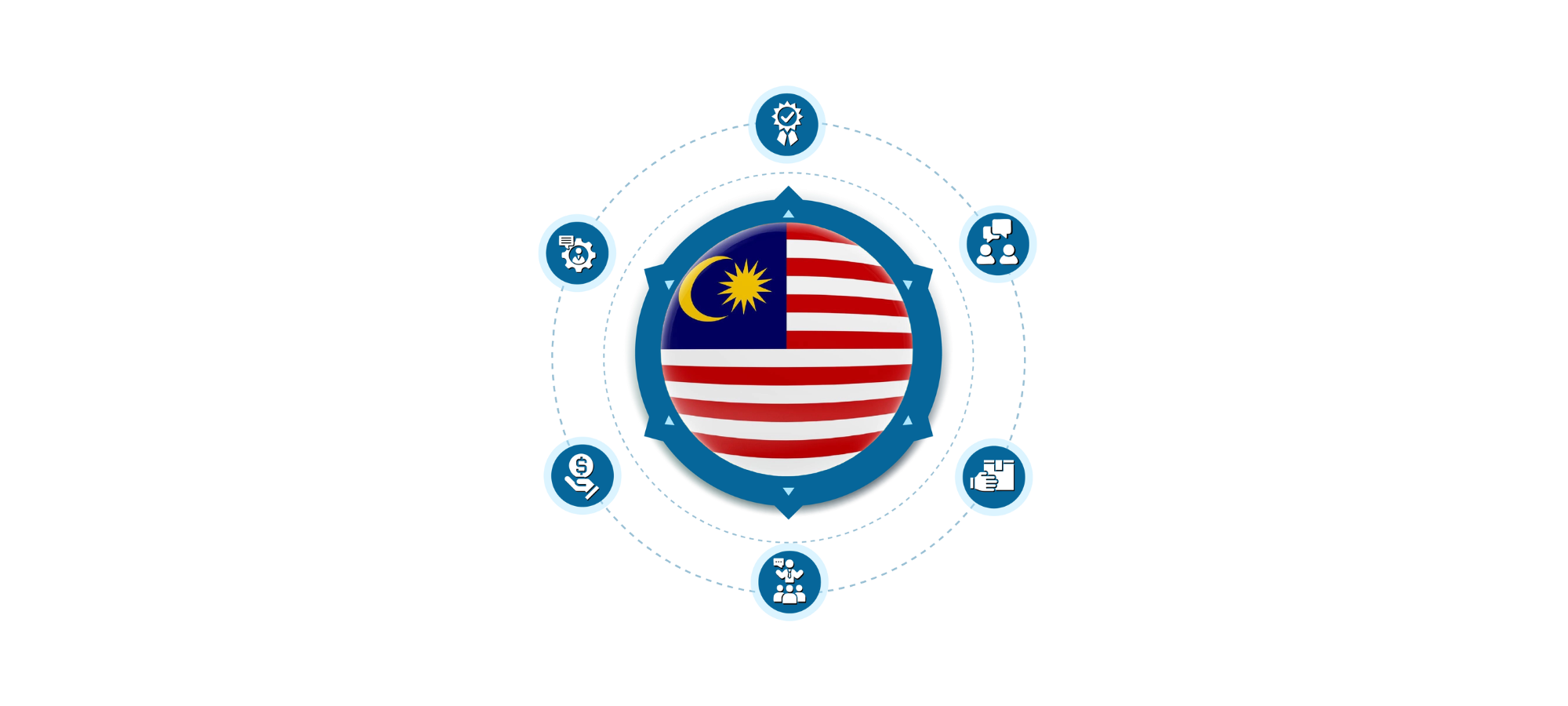
Key parts of Malaysia’s halal ecosystem include
networks
programmes
and agencies connected to certification, investment, trade, food safety, veterinary matters, and supply chains.
For international businesses, the ecosystem can make the halal journey clearer by connecting guidance, compliance, sourcing, training, market immersion, and industry exposure in a more practical way. Through Go Halal, businesses can engage with this ecosystem from one place, whether they are exploring halal for the first time, preparing for certification, finding suppliers, planning market entry, or building long-term halal growth.
Connect with halal agencies and networks. Reach compliance, sourcing, and training support. Grow through one halal ecosystem.
Halal Guidance from Malaysia’s Government Specialists
Halal Consultation connects businesses with government-employed halal experts who understand Malaysia’s halal certification system, readiness requirements, and the practical decisions that come before formal action. It gives companies a more authoritative way to ask questions, assess their position, and understand what halal preparation should look like for their business.
Through one consultation call, businesses can explore

before committing time, budget, or internal resources in the wrong direction.
The value is not generic advice. It is a clearer direction shaped by experts connected to Malaysia’s halal ecosystem and backed by decades of industry experience.
For businesses entering halal-conscious or Muslim-majority markets, consultation can turn uncertainty into a more structured next step. Through Go Halal, companies can speak with the right specialists, understand where they stand, and move toward certification readiness, stronger compliance, or the support that fits their stage.
Halal Sourcing, Made Deliberate.
That align with business’s certification, operational, market, and quality requirements.
It is especially important for companies that need to reduce supplier uncertainty, compare potential partners, understand available product evidence, and move faster from research to business conversation.
On the Go Halal website, Halal sourcing connects closely with the free Halal Lead Report, Company Deep Dives, trusted company and product sources, certified Halal products, and potential supply-chain partners.
The free report helps businesses discover potential companies and understand the available evidence behind each result. When one company stands out, a Company Deep Dive provides the deeper business, product, market, and contact intelligence needed before outreach or a commercial decision.
Strong Halal sourcing content should show how businesses can discover potential companies, compare the available information, uncover opportunities listed in English or Malay, and move toward informed sourcing decisions with greater confidence and clarity.
The Halal Certification with the #1 Recognition Footprint
Malaysia Halal Certification is the official halal certification pathway in Malaysia, guided by JAKIM requirements and supported by proper documentation, systems, internal roles, supplier review, and compliance practices. For many businesses, Malaysia Halal Certification is not only a final certificate but a structured journey that requires preparation across products, ingredients, suppliers, operations, staff responsibilities, records, and internal controls.
Companies exploring this pathway often need to understand whether they are ready, what they need to prepare, which requirements may apply, and what gaps must be addressed before moving forward. Go Halal helps businesses approach Malaysia Halal Certification with more clarity by connecting them to consultation, role-based training, documentation support, readiness guidance, and ecosystem immersion.
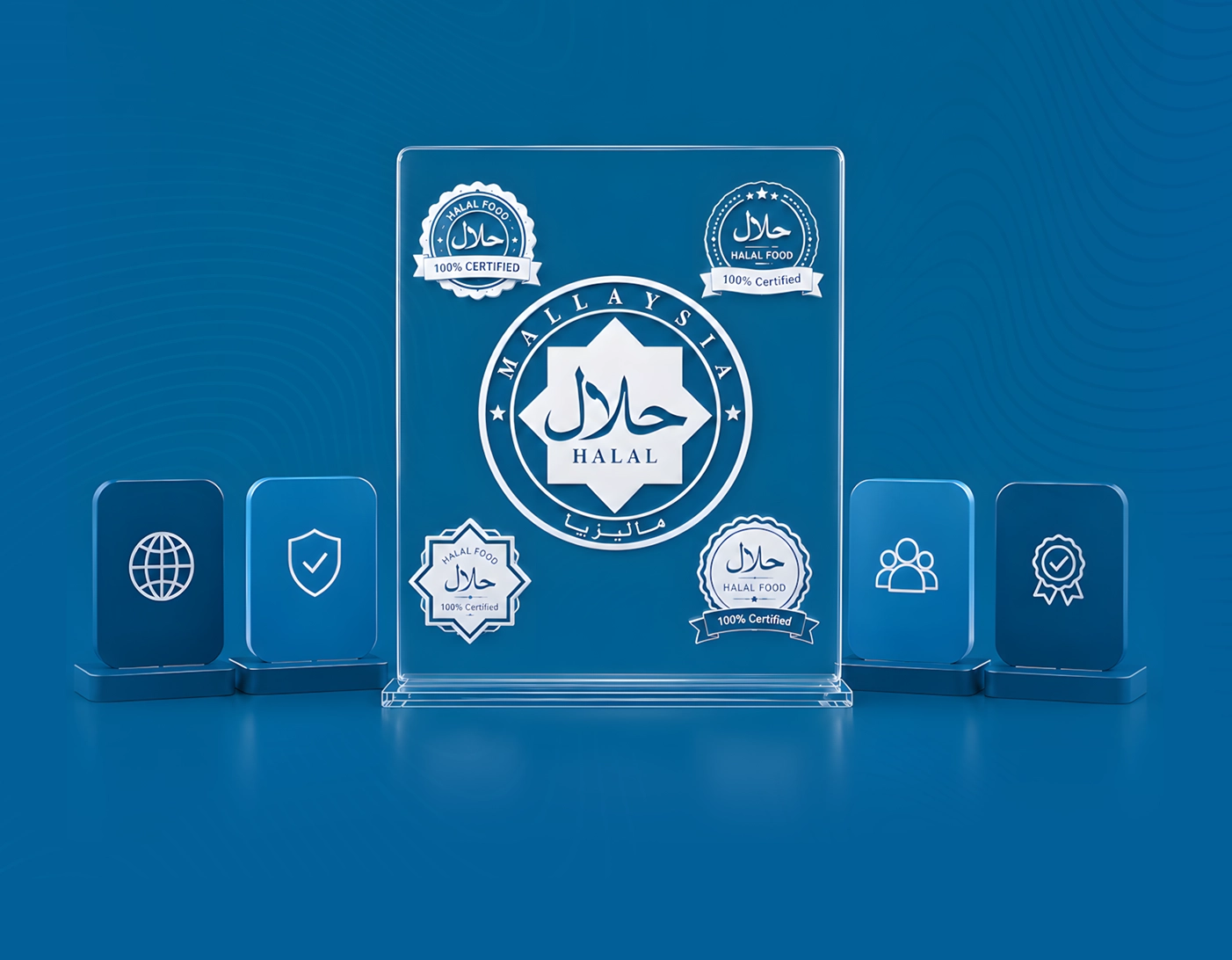
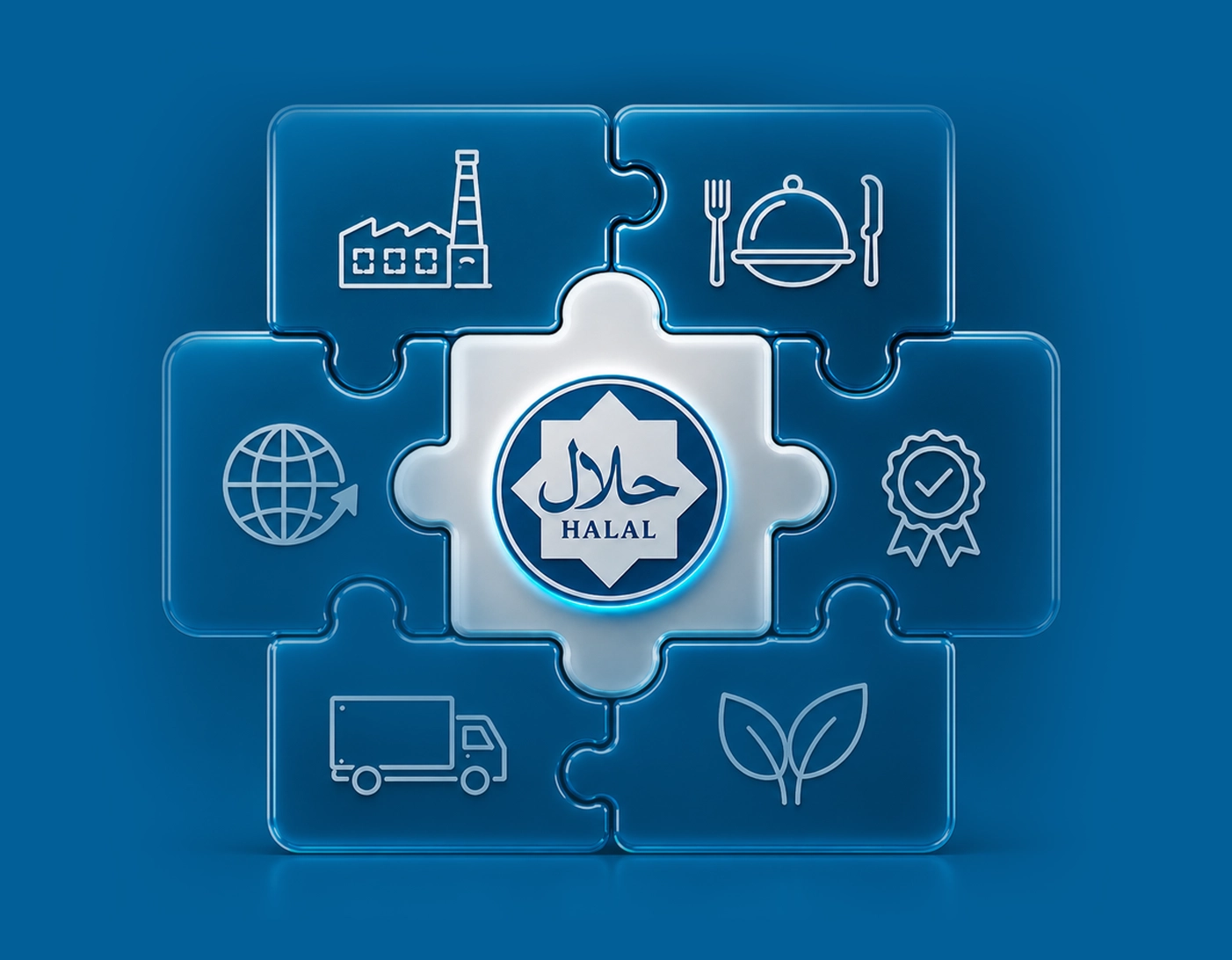
The pathway is especially relevant for manufacturers, restaurants, importers, distributors, logistics providers, raw material suppliers, and companies targeting halal-conscious or Muslim-majority markets. Malaysia Halal Certification connects closely with JAKIM, HDC, Halal Assurance System, Halal Executive responsibilities, Internal Halal Committee roles, certification preparation, and ongoing halal compliance.
When businesses understand this pathway early, they can make better decisions, reuce avoidable mistakes, and prepare their teams and operations more effectively.
The Agencies Behind The Ecosystem
Malaysia’s halal ecosystem isn’t a single body. It’s a coordinated network of agencies, each holding a different mandate across investment, trade, veterinary services, and public health. During Industry Visits and ecosystem engagements, delegations may meet several of them.
For businesses entering or expanding in halal markets, HDC provides important context because it is connected to the wider development of Malaysia’s halal industry, not only to individual services or tools. When paired with Go Halal, HDC helps strengthen the credibility of the ecosystem, the guidance, and the supplier networks users may access.
Businesses using Go Halal can engage with HDC-related expertise, connect with HDC consultants where relevant, explore HDC-curated companies, and understand how Malaysia’s halal ecosystem supports certification readiness, sourcing, training, and market growth. HDC is best understood as an ecosystem development body that helps make halal industry participation more structured, connected, and commercially useful.
Its role helps show that Malaysia’s halal ecosystem is connected not only to certification, but also to trade, sourcing, export readiness, and global business opportunities. MATRADE is especially relevant for delegations interested in connecting with Malaysian halal companies, understanding international trade pathways, identifying export support, or exploring halal market expansion. It should be presented as a trade and export development entity, not as a halal certification authority or regulator.
When mentioned alongside HDC, JAKIM, MIDA, DVS, and KKM, MATRADE helps users understand that Industry Visits can support commercial and market-access conversations as well as certification learning. Its value is connecting halal business growth with international trade development and practical market opportunities
DVS is especially relevant for companies involved in food, meat, agriculture, slaughter, logistics, animal-based ingredients, and related production. Its presence helps show that halal business readiness can involve more than certification alone. It can also include animal-product handling, veterinary requirements, supply chain controls, and operational considerations connected to halal integrity. DVS should be presented as a veterinary services authority, not as a halal certification body or a replacement for JAKIM. When listed with HDC, JAKIM, MIDA, MATRADE, and KKM, DVS helps international users understand the broader range of agencies that may influence halal-related industries in Malaysia. Its value is adding practical supply chain and animal-product context to Malaysia’s halal ecosystem.
It is especially relevant for businesses in food and beverage, pharmaceuticals, cosmetics, hospitality, manufacturing, and other sectors where health and safety requirements may affect market readiness. KKM helps show that halal business preparation can involve more than certification. Depending on the business, it may also require awareness of health regulation, food safety, product handling, and related compliance expectations. KKM should be presented as Malaysia’s Ministry of Health, not as a halal certification authority or a replacement for JAKIM. When mentioned alongside HDC, JAKIM, MIDA, MATRADE, and DVS, KKM helps explain the broader business and regulatory environment that may support halal industry understanding. Its value is connecting halal ecosystem exposure with practical health and food safety context.
An Ecosystem Works Best When It Gives You a Clear Path.
Go Halal, the central access hub for Malaysia’s halal ecosystem, business guidance, sourcing, training, consultation, market pathways, and connections, exists to make Malaysia’s halal ecosystem easier to access, understand, and act on, wherever your business stands today.